You can mute it by clicking the button in the upper right, but like everything else it's way better with music.
ES
well-behaved
women
seldom make
history
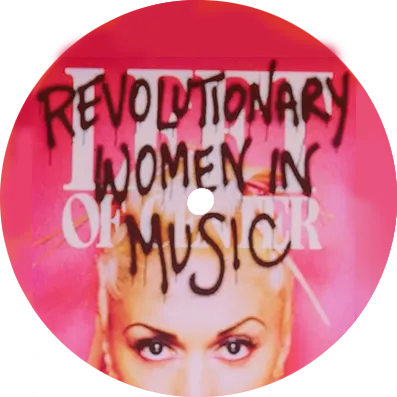
Revolutionary women have often used music and lyrics to take action, convey truth, and call for change. This exhibit examines the work of courageous, groundbreaking, rebellious musicians, from the 1970s to today, who use songwriting, music, and performance to subvert societal norms.
These musicians have challenged traditional gender roles; created inclusive communities; and empowered women to realize and embrace their authentic selves. Consider these artists as you celebrate the musicians that inspire you - or, use them as a launching pad for your own musical revolution!
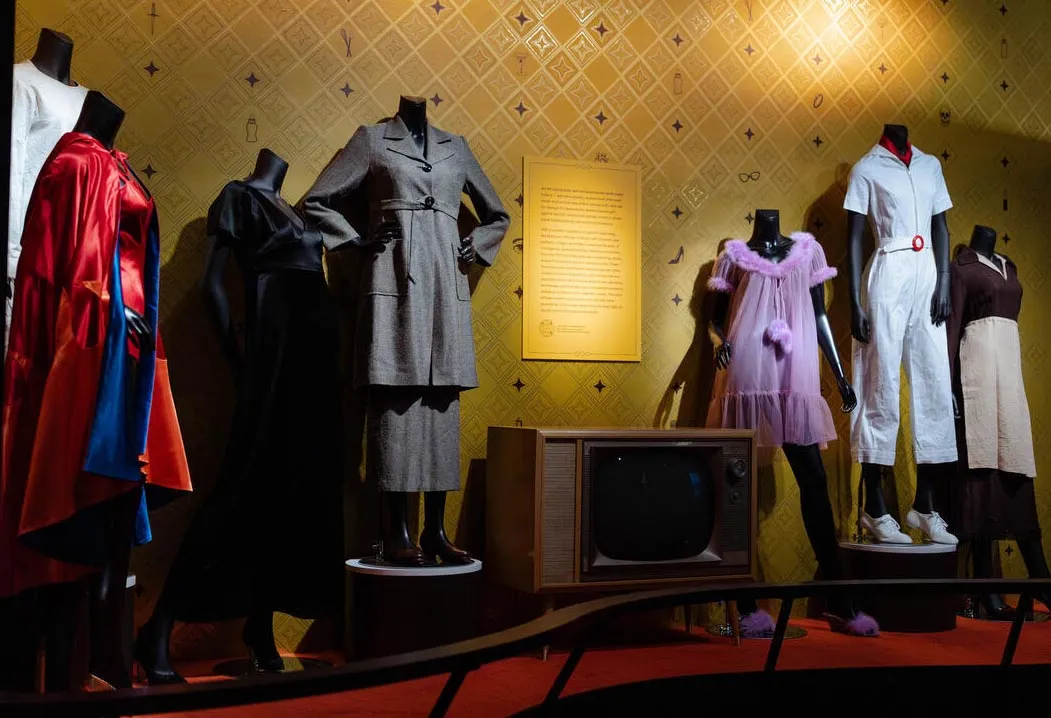
Natalie Merchant Ophelia Outfits, 1998
Design by Cynthia Rowley, Gift of Natalie Merchant
The short film for Natalie Merchant's 1998 song cycle album Ophelia provides a visual portrayal of Merchant's socially aware, feminist sound through her theatrical interpretation of the characters mentioned in the title song. In Shakespeare's Hamlet, Ophelia is a young woman surrounded by powerful men who all abuse and exploit her — expecting her to simultaneously act in the conflicting roles of noblewoman, daughter, sister, and lover — until she finally descends into madness and dies.<br/><br/>In Merchant's version, Ophelia appears in seven diverse roles: The Novice Carmelite, Suffragette, National Sweetheart, Demi-Goddess, Mafia Courtesan, and Female Cannonball, culminating in “Herselves,” Merchant's version of Ophelia driven mad by the incompatible roles and expectations of a society in which women have little to no voice.
She Influenced:
The Mountain Goats, Belle and Sebastian, Beth Orton
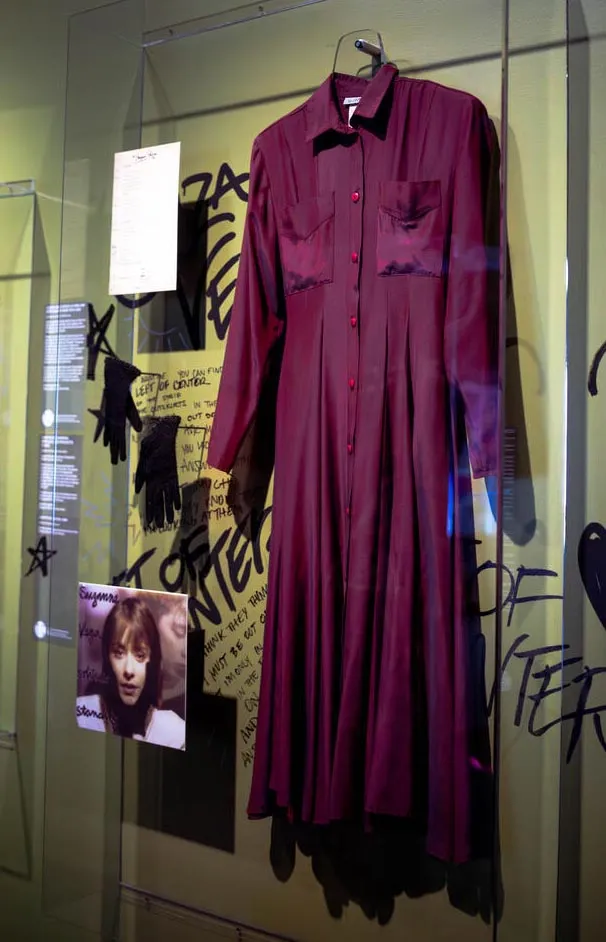
This exhibit's subtitle is inspired by the Suzanne Vega song “Left of Center,” with its lyrics that position the artist outside the norms of society.
And if you want me, you can find me Left of center, off of the strip In the outskirts and in the fringes In the corner, out of the grip
Artists that are “left of center” forge their own paths, push boundaries, and ultimately offer different perspectives—providing inspiration for generations to come.
Suzanne Vega's dress from Luka video, c. 1990
Gift of Suzanne Vega
Suzanne Vega wore this Le Chateau dress in the music video for her song “Luka.”Vega's music brought a much-needed sense of poetry and minimalism to the 1980s folk scene. Vega's incredible guitar-picking skill and lyrical delivery inspired the perfect balance between light and darkness. Like a breath of fresh air, Vega redefined the singer-songwriter trope for 20th century musicians and beyond. “Sometimes I listen to songs by...writers who assume that the world is a civil place with certain formalities that people follow, but I don't see things that way,” Vega said. “My own experience tells me that life is not like that.”
She Influenced:
Indigo Girls, Tracy Chapman, Beth Orton
There's more than one way to rebel. Revolutionary Women: Left of Center explores the musical and stylistic subgenres that these artists used to give voice to their truth.
Punk rock has always rejected the status quo. Loud, abrasive, raw, and unapologetic, punk provides a space for rebels and misfits not just to speak, but to scream truth to power. These artists all helped to create and ignite the punk genre, and used it to send shockwaves through popular culture.
Rooted in 1960s garage rock, punk emerged in the mid-1970s and rejected the perceived excesses of mainstream 1970s rock music. The do-it-yourself, anti-establishment trend of punk stirred rebellion among women musicians, who took their self-expression to the next level — in fashion, look, attitude, and persona. At one end of this spectrum was the beat poet lyricism, androgyny, and brutal honesty of the Godmother of Punk Patti Smith; while at the other, Siouxsie Sioux performed in fetish clothing, establishing the classic goth look and inspiring the new wave sound.
“I was very conscious of being taken seriously and not seen as a sex symbol. I did cover myself up a lot with my clothes. I had a very quirky style, but I wanted to be respected for my music, my lyrics specifically. I once said I would shave my head if anyone tried to turn me into a sex symbol, and I did it... Looking back, I would probably tell myself not to be so afraid of that part of myself."- Poly Styrene, X-Ray Spex
“If young women could just try and go for it without feeling like they had to have [people] around them telling them what to do and controlling their music and how they presented themselves and how they dress... all that really bothers me. It all feels so packaged to me, and I'm so proud that [the Go-Go's] were ourselves...and we surrounded ourselves with other strong women.”- Jane Wiedlin, The Go-Gos
“My aim with my album Horses was to let outsiders like me — the weird kids, the gay kids, the kids whose parents disowned them — know they weren't alone... The most important thing as a performer is to offer a transformative experience to others. I want people to leave our concerts feeling invigorated to do their own work, start their own band, write their own poetry, go out in the streets and protest, or vote.”- Patti Smith
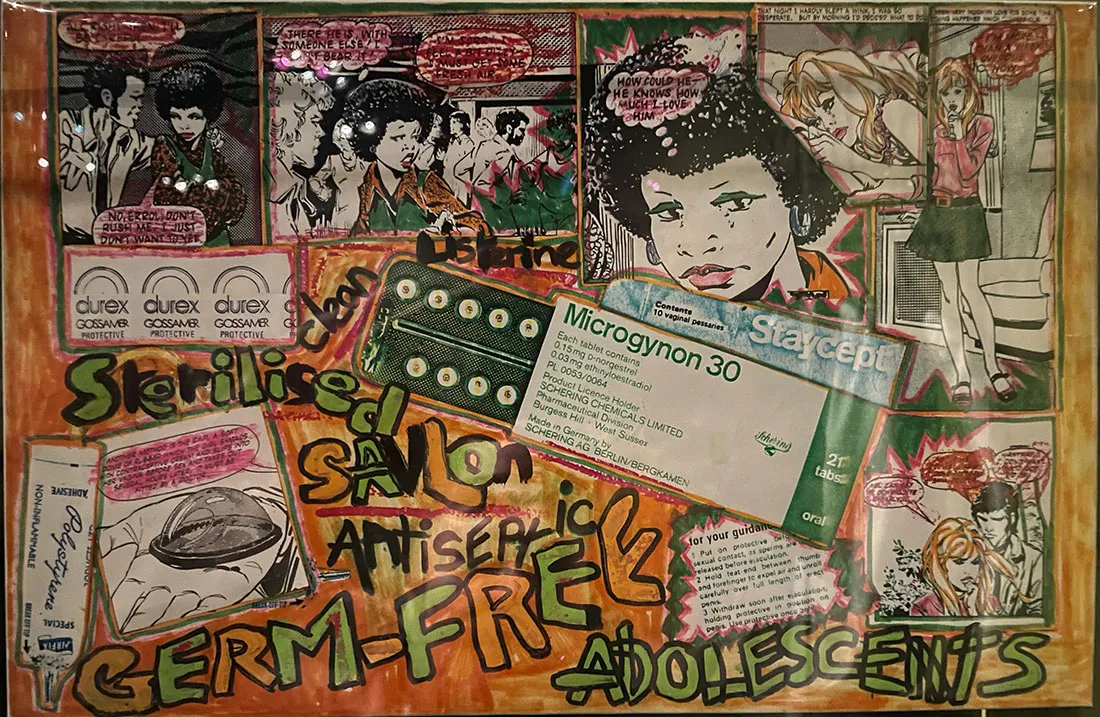
Germfree Adolescents, c. 1978
Crayon on paper; mixed media by Poly Styrene, Collection of Celeste Bell
This collage by Poly Styrene shares its name with X-Ray Spex's 1978 debut LP. As frontwoman and lyricist for the ska-influenced English punk band X-Ray Spex, Poly Styrene (born Marianne Joan Elliott-Said) was what Billboard called the “archetype for the modern-day feminist punk.” As a woman of color in a largely white, male scene, Styrene's prescient and humorous lyrics dealt with issues like consumerism, women's liberation, and identity. Styrene was also a key inspiration for the riot grrrl and Afropunk movements.
She Influenced:
Bikini Kill, Big Joanie, FKA twigs
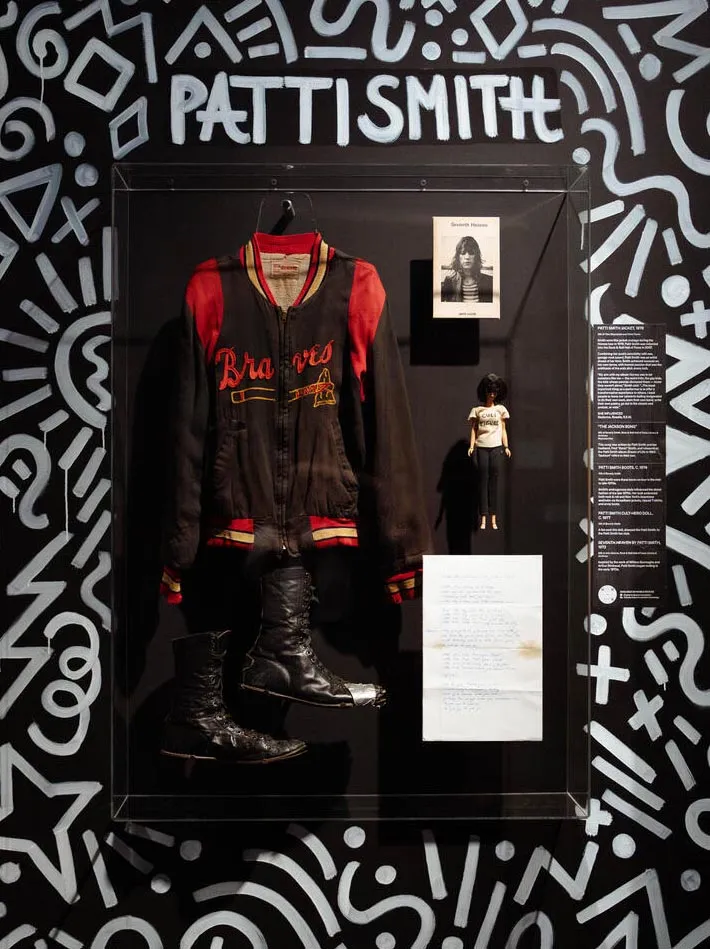
Patti Smith boots, c. 1974
Gift of Beverly Smith
Patti Smith wore these boots on tour in the mid- to late-1970s. Smith's androgynous style influenced the street fashion of the late 1970s. Her look embraced both rock & roll and New York's downtown aesthetic via threadbare jackets, ripped T-shirts, and army boots.
She Influenced:
Madonna, Rosalía, R.E.M.
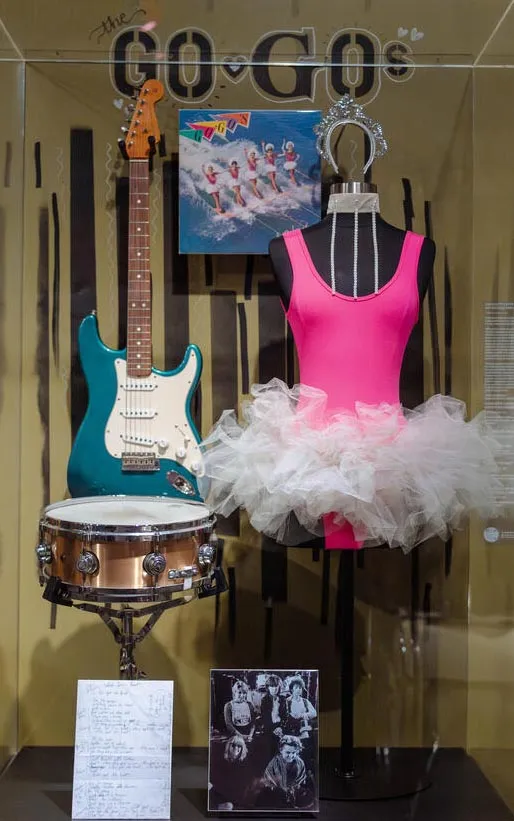
Charlotte Caffey of the Go-Go's Guitar
Collection of the Go-Go's
Charlotte Caffey of the Go-Go's played this 1990 Fender Stratocaster on the band's 1990 tour. The Go-Go's were inducted into the Rock Hall in 2021. With catchy hooks and a California sensibility, The Go-Go's combined brash L.A. punk and melodic New Wave to become the most successful all-woman rock band of all time. Their debut Beauty and the Beat became the first (and, to date, only) album by an all-woman band that played its own instruments and wrote its own songs to top the Billboard albums chart. In heavy rotation on MTV, their songs featured weighty lyrics belied by sunny melodies that set the band apart from many of their 1980s counterparts.
They Influenced:
Green Day, Nirvana, Bikini Kill
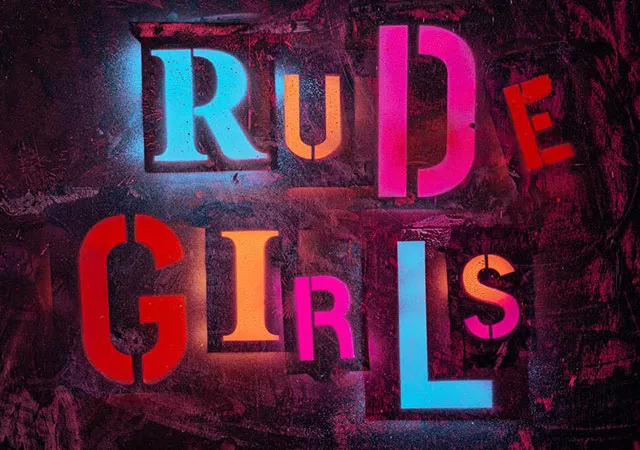
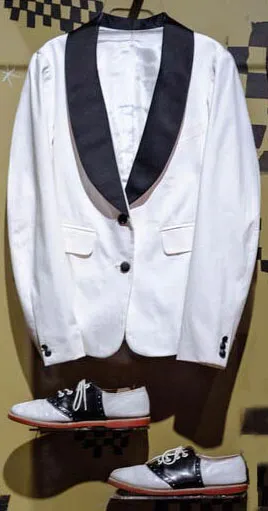
Rude Girls were women of the 2-Tone movement, a genre of British popular music of the late 1970s and early 1980s that fused traditional Jamaican ska, rocksteady, and reggae music with elements of punk and new wave. This ska movement embraced diversity of race and gender, promoting unity and multiculturalism, anti-racism, and anti-sexism. With her multiracial group The Selecter, Queen of Ska Pauline Black was the Rude Girl archetype, rising to prominence against the backdrop of the 1981 England riots, fueled by racial discrimination from police.
“I didn't know any other Black people [growing up] ... through music I've found people of a like mind who have had something to say politically about the racism that pervaded [England] at the end of the '70s and early '80s. That was what I felt I could do something with, and write songs for, and perform on stage."- Pauline Black, The Selecter
“I found [my artistic voice] when I felt like my voice was being silenced. Early in my career I would show up at a photo shoot, and stylists would say,'Hey, you're in this tuxedo, and you're wearing your hair natural. It's a bit avant-garde. How can we sell that? Perhaps you should look like this.' Or record label execs would say, 'You're this Black girl talking about science fiction and technology. It's not marketable...' Those conversations made me think, 'Okay, if I don't find my voice, if I don't speak up for myself, somebody else is going to do it.'”- Janelle Monáe
“When people think about me, it's this man-eating, loud, snarly [woman] flying through the air screaming, right? But there's...other stuff going on. I used to think that you have to scream to be heard, and, in some ways in my life, that was true. But I've always been interested in what quiet power looks like, and when you have self-respect and you figure out how to love yourself, you don't always have to scream.”- Pink
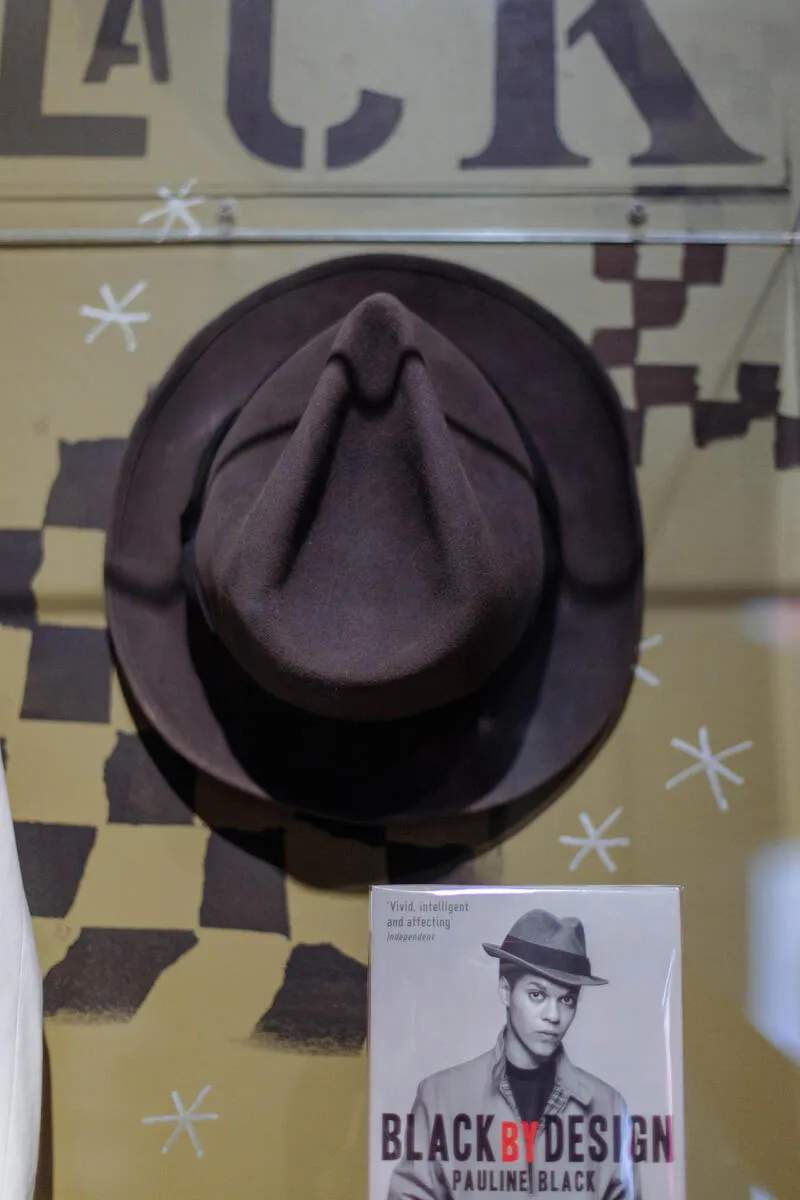
Pauline Black of The Selecter hat, 1980
Gift of Pauline Black
Pauline Black wore fedoras as part of the signature “rude girl” look she originated: a version of the “rude boy” style worn by ska fans with tailored suits, porkpie hats, tapered trousers, and shiny black shoes. This hat was designed by Geiger of Austria. As frontwoman for UK Second Wave ska band The Selecter, Black was a key part of the 2-Tone movement, which combined punk's edge with traditional ska music, and promoted unity, multiculturalism, and anti-sexism. As an adopted woman of mixed race, Black used music to explore her own identity as well as social issues like poverty and racism.
She Influenced:
No Doubt, Sadie Dupuis, Save Ferris
Janelle Monáe Clothing, 2010
Collection of Janelle Monáe
Singer-songwriter-rapper, activist, and actress Janelle Monáe wore this jacket onstage throughout 2010. Monáe is non-binary and uses she/they pronouns, saying, “I just don't see myself as a woman, solely. I feel like God is so much bigger than the 'he' or the 'she.' And if I am from God, I am everything.” Lauded for their nimble fusion of funk, rock, hip-hop, and R&B, Monáe has cinematic vision and boundless creativity. Inspired by science fiction, Monáe uses inventive scenarios to explore timely themes like racism, sexuality, and feminism.
She Influenced:
Christine and the Queens, Chloe x Halle, Jidenna
Pink coat, 2018
Collection of Pink
Pink, born Alecia Moore, wore this coat, designed by Kim Bowen, during performances of “Just Like Fire” on her 2018-19 Beautiful Trauma World Tour. Known for powerful vocals and onstage aerial stunts, Pink came out of the early-aughts teen pop scene, but quickly distinguished herself from some of her more stereotypically congenial peers. Pink paved the way as the unapologetic pop rebel — funny, outspoken, emotionally raw, and politically aware.
She Influenced:
Adele, Alessia Cara, Demi Lovato
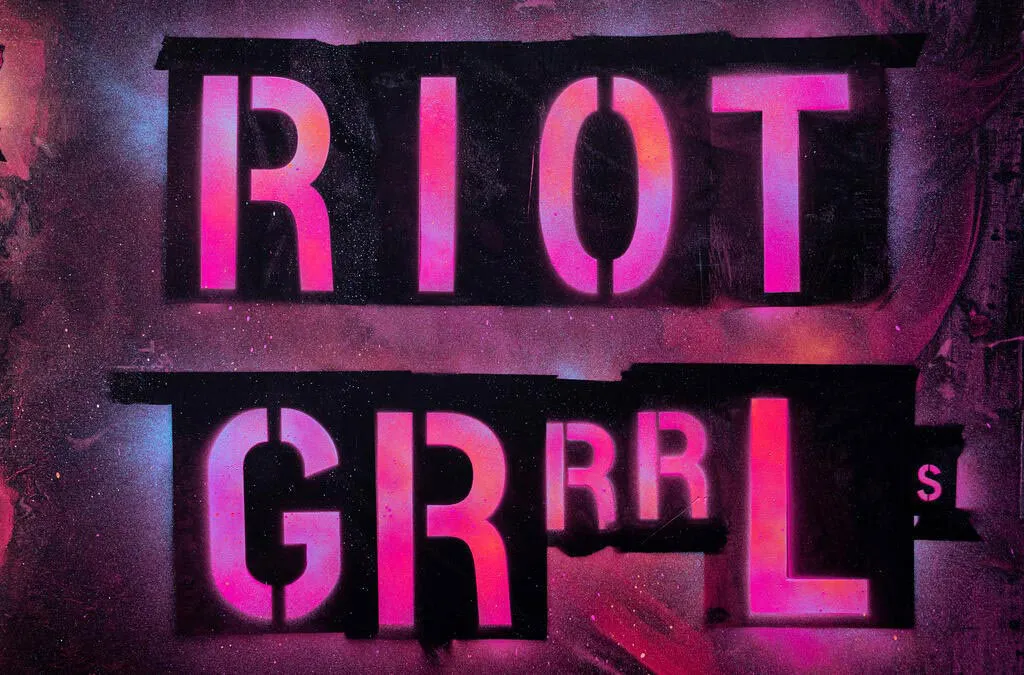
Riot Grrrl was created as a community — an underground feminist punk movement that began during the 1990s in Olympia, Washington, and has since spread worldwide. Riot Grrrl was shaped by Matriarchs like Joan Jett and Kathleen Hanna of Bikini Kill as a response to the sexism and violence often found in the male-dominated punk scene. Riot Grrrl called “girls to the front,” speaking women's truth to power in a society where they felt marginalized and without voice.
“When the Runaways first got together, we were pioneers — there weren't any other women playing hard rock... There aren't too many groups that can say they really started something — the Runaways did."- Joan Jett
“I would rather be the obnoxious feminist girl than be complicit in my own dehumanization."- Kathleen Hanna, Bikini Kill
“Like a thousand tiny razor cuts, [sexism and inequality within the music industry] eventually became a part of my life. I was left no choice but to take those scars and turn them into fuel for my fire to succeed.”- Lzzy Hale, Halestorm
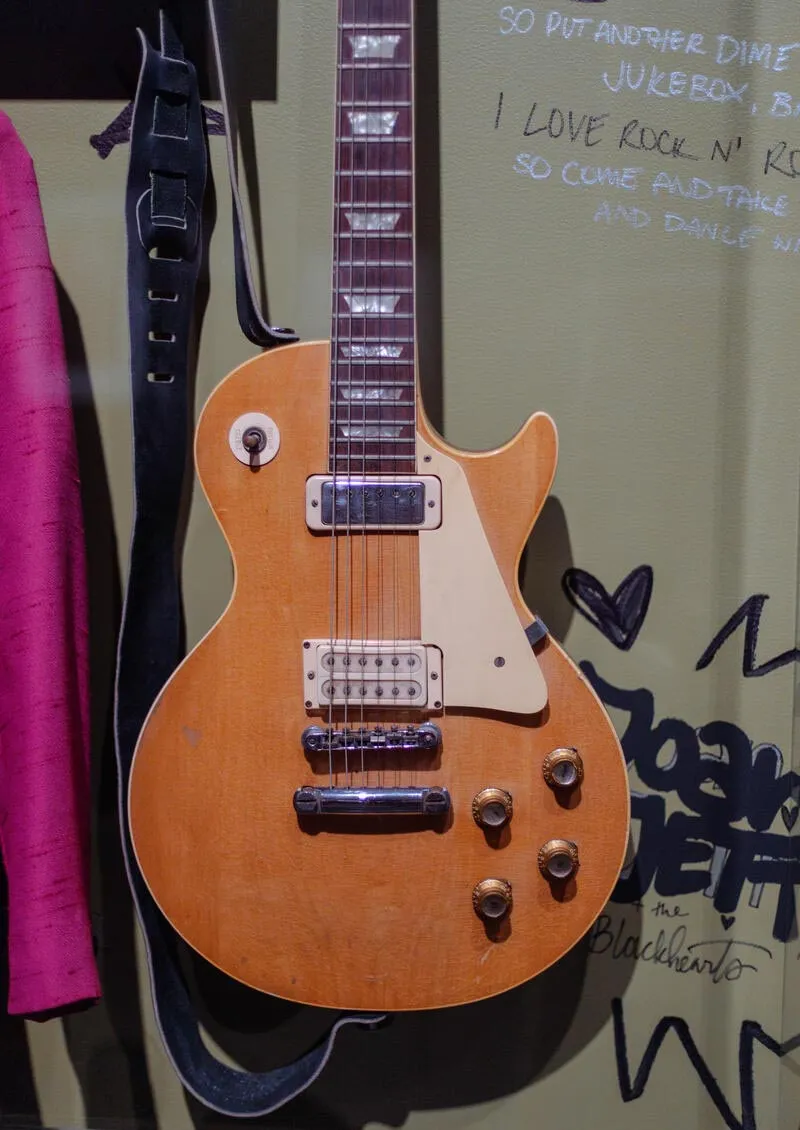
Joan Jett guitar, c. 1969
Collection of Joan Jett
Joan Jett played this Les Paul Deluxe guitar as a founding member of the Runaways and on her first four solo albums. Growing up, Jett was told by many that “girls don't play rock & roll.” After being rejected by numerous labels, Jett independently released her self-titled album in 1980, which was re-released as the critically acclaimed album Bad Reputation in 1981. Jett's defiant attitude towards the male-dominated music industry solidified her legacy, paving the way for female musicians everywhere to rock harder in the face of adversity.
She Influenced:
Miley Cyrus, Green Day, The Go-Go's
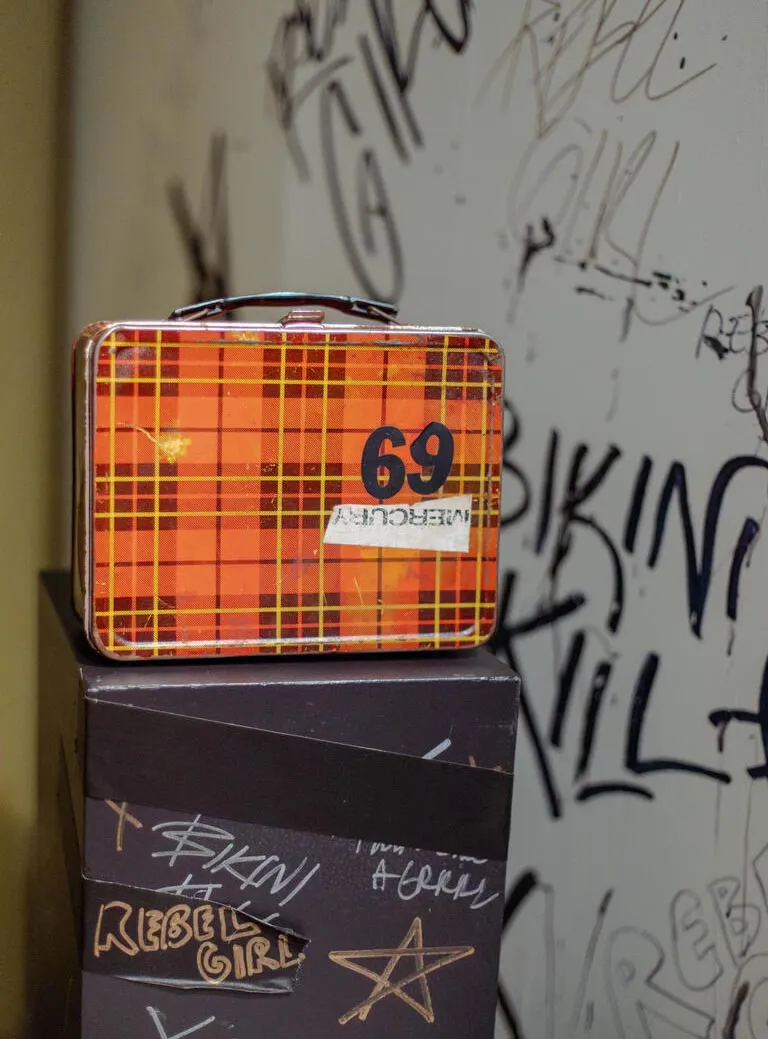
Kathleen Hanna of Bikini Kill Lunch Box, c. 1990
Collection of Kathleen Hanna
Kathleen Hanna, vocalist of Bikini Kill as well as the groups Le Tigre and The Julie Ruin, used this lunch box to store money she earned for her college tuition at Evergreen State University. There, Hanna got her start in feminist performance art and her first taste of the Olympia, Washington, punk scene. Bikini Kill was a founding band of the 1990s Riot Grrrl movement. With their feminist lyrics and abrasive attitude, the band confronted toxic masculinity in and outside of the concurrent punk scene. Bikini Kill pioneered the unapologetic nature of female-fronted music, showing all women that from releasing rage comes freedom.
She Influenced:
Olivia Rodrigo, Sleater-Kinney, Wolf Alice
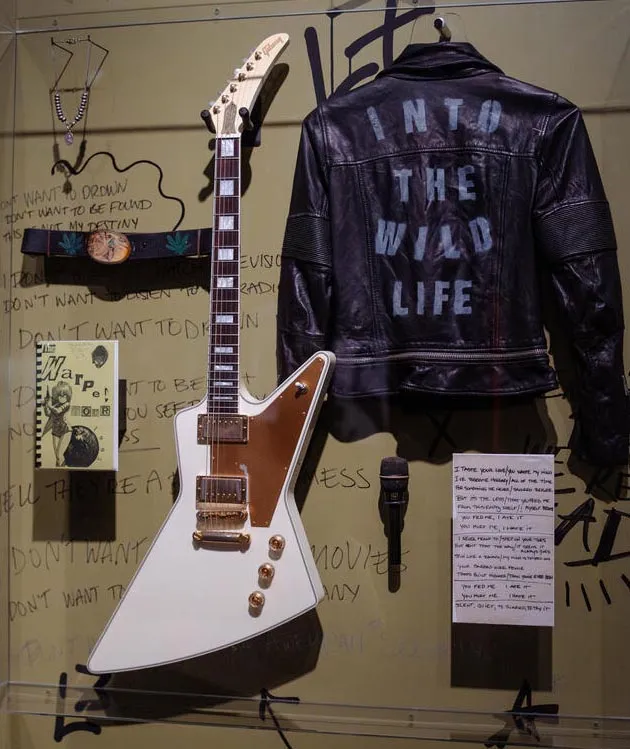
Lzzy Hale of Halestorm Electric Guitar, c. 2010
Collection of Halestorm
Halestorm front woman Lzzy Hale played this custom Gibson Explorer extensively, and, in 2014, Gibson produced a Lzzy Hale Signature Explorer, based on this guitar. From her rise to prominence in the modern hard rock/metal scene, Hale became a role model for young female rockers everywhere. Through her empowering music and lyrics, Hale has advocated for mental health, LGBTQ+ acceptance, and, above all, gender equality.
She Influenced:
The Pretty Reckless, In this Moment, the Hu
I am not a woman, I'm a god
humiliated by age, terrified of youth
I'm going under but I'm not giving up
I'm only happy when it's complicated
I haven't seen Barbados
all of these lines across my face tell you the story of who I am
taking steps is easy standing still is hard
there's more than one answer to these questions pointing me in a crooked line
i'm a bitch i'm a lover i'm a child i'm a mother
someday you will ache like i ache
we are born innocent
you got a fast car and i got a plan to get us out of here
I am not a pretty girl that is not what I do
i'm supposed to be unhappy without someone but aren't i someone?
god it feels good to dance again
you can't give yourself absolutely to someone else
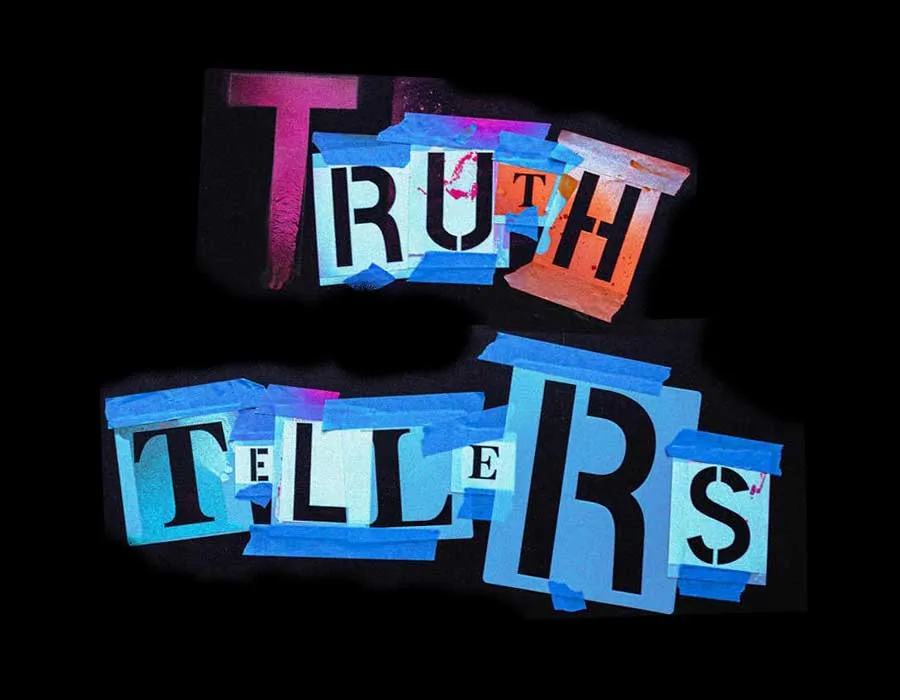
Like Riot Grrrls, Truth Teller singer-songwriters speak truth to power but across genre, from neo-folk to soul to alt pop, taking listeners on intimate journeys through authentic women's stories of life and death, connection and loss, injustice and rebellion, prejudice, and empowerment.
"I can only imagine how it was for people who were around during the birth of blues, jazz, or the other [American musical genres] ... The kind of stuff we were doing at that time, the music we were making, the freedom that we had, the walls we were breaking down — we were changing the music...We learned to be brave enough to say whatever we wanted to say in the way that we wanted to say it.- Queen Latifah
“The first time someone said, 'Hey, you saved my life,' it really changed perspectives for me. It means so, so much to hear that. You can't ever take that away from me. Each time one of us came out, it gave us strength. It wasn't so scary."- Melissa Etheridge
Of Run the World (Girls): “I try to write songs that will bring out the best in all of us and keep us close together. I think about saying the things that women want to say but sometimes are not confident enough to say. I am going to continue to write those songs that give women strength.”- Beyoncé
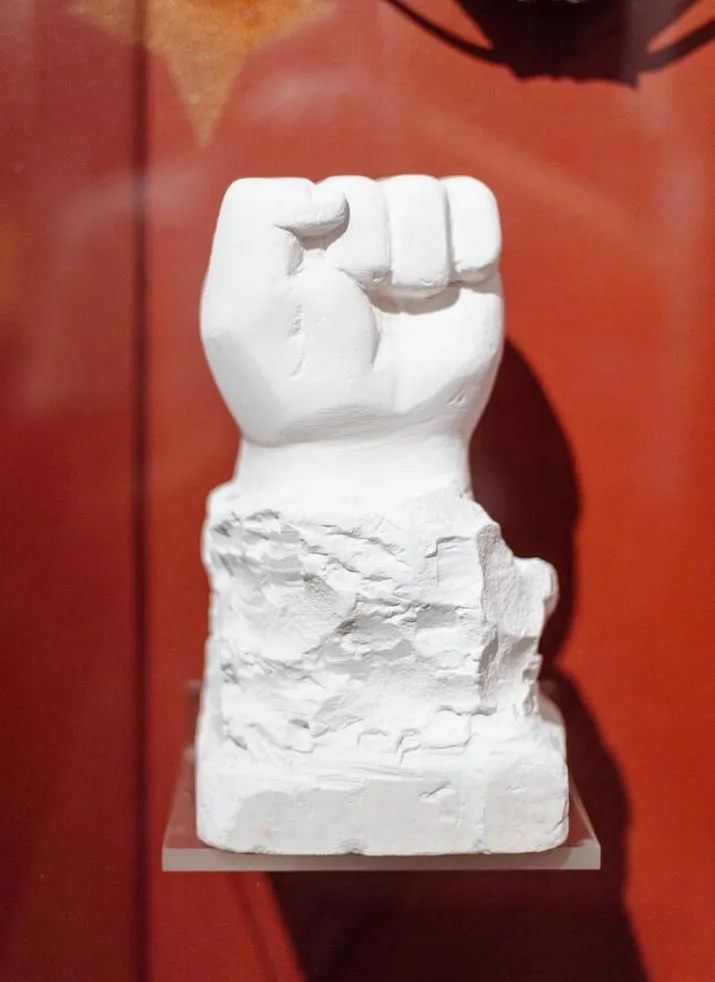
Queen Latifah sculpture c. 1987
Collection of Rita Owens
Queen Latifah (born Dana Owens) likely sculpted this Black power fist in high school art class. Queen Latifah added feminist activism to hip-hop's agenda with her Afrocentric anthem “Ladies First” on her debut album All Hail the Queen. She was the first solo female rapper to have a gold record, to be nominated for an Academy Award, and to have a debut album added to the National Recording Registry. Latifah's lyrics often conveyed messages of self-respect, strength, and independence, inspiring women in hip-hop and beyond.
She Influenced:
Lizzo, Missy Elliott, Lauryn Hill
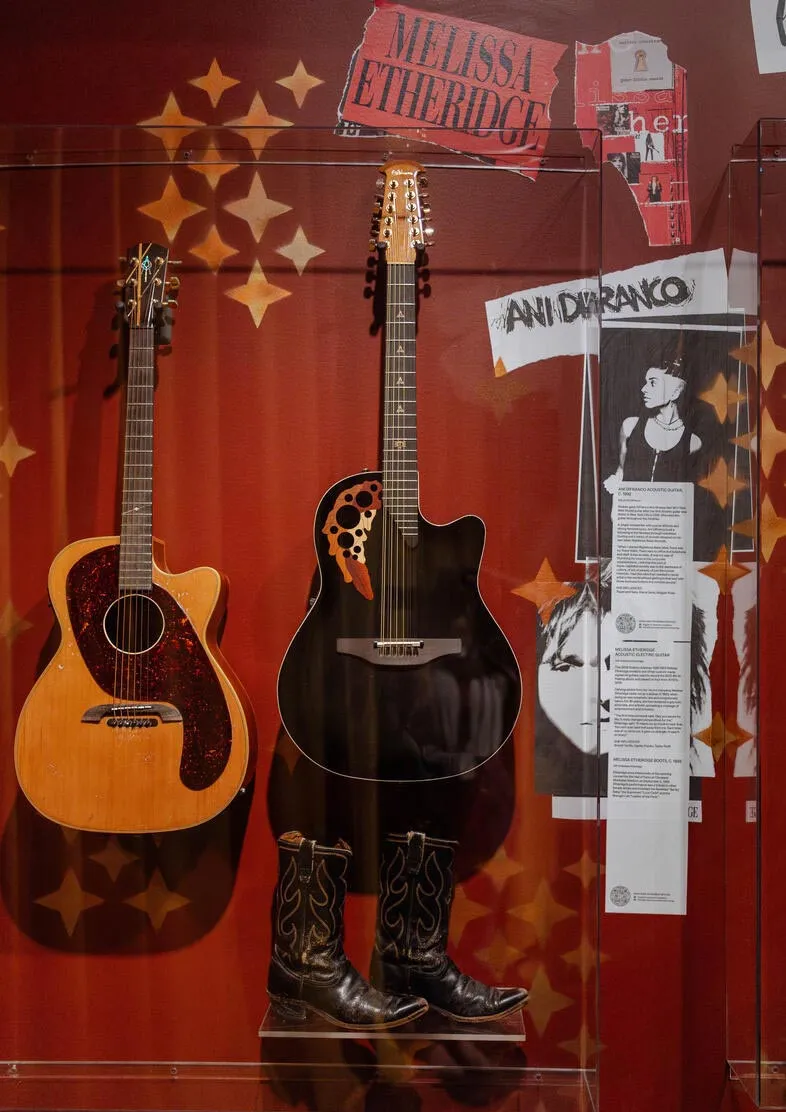
Melissa Etheridge boots, c. 1995
Gift of Melissa Etheridge
Defying advice from her record company, Melissa Etheridge came out as a lesbian in 1993, when doing so was extremely rare and exceptionally taboo. For 30 years, she has remained a gay icon, advocate, and activist, spreading a message of empowerment and inclusion. Etheridge wore these boots at the opening concert for the Hall of Fame at Cleveland Municipal Stadium on September 2, 1995. Etheridge's performance was a tribute to other female artists and included the Ronettes' “Be My Baby,” the Supremes' “Love Child” and the Shangri-La's “Leader of the Pack.”
She Influenced:
Brandi Carlile, Hayley Kiyoko, Taylor Swift
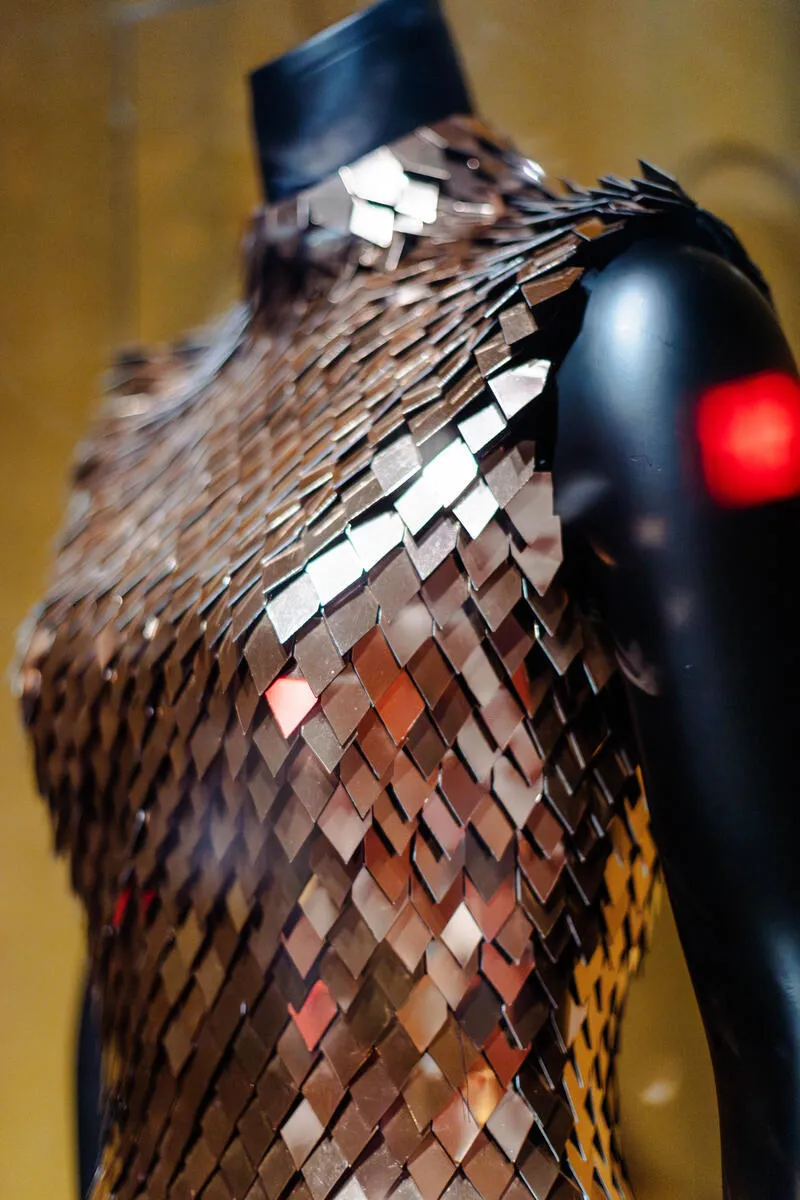
Beyoncé outfit, 2011
Collection of the Rock & Roll Hall of Fame
Beyoncé wore this outfit, designed by Gareth Pugh, in the video for her 2011 female empowerment anthem "Run the World (Girls).” Beyoncé's impact on popular culture cannot be understated. Beyoncé makes music with a purpose — uplifting communities of color, advocating for social justice, supporting climate change awareness, and promoting feminism and LGBTQIA+ rights. Through her use of social media, she has built inclusive communities of fans by extending her artistry into the digital world rather than using it as a departure from her work.